

Buraq Al Shifa
Get Your Flat Pre-Pregnancy Tummy Back in Just 15 Days
Specially made for new moms – Melt post-delivery belly fat with our guaranteed 15-Day Challenge.
Healing Hands of Nature
Trusted & Healthy
Nature in Every Spoon
What is Belly Fat?(CHARBI KIA HAI)
- Belly fat sits around your waist and deep inside your abdomen. Some fat lies just under the skin — doctors call this subcutaneous fat. More dangerous is the visceral fat that wraps around your liver, stomach, and intestines. This deep fat pushes your belly outward and creates a round shape many people want to reduce.
- You can often spot it when your waist measures more than 35 inches for women or 40 inches for men. Even slim people sometimes carry extra fat in this area.
Why Reducing Belly Fat is Important?
- Carrying too much belly fat raises the risk of serious health issues. It affects how your body handles sugar and can lead to type 2 diabetes. It also puts pressure on your heart and increases chances of high blood pressure and cholesterol problems.
- Many people feel low on energy and struggle with back pain or breathlessness because of extra weight around the middle. Reducing this fat improves your confidence, makes daily tasks easier, and supports better sleep at night.
- The best part? When you lose belly fat the right way, you often feel lighter and more active within a few weeks. Small, steady changes bring visible results without extreme diets or risky shortcuts.

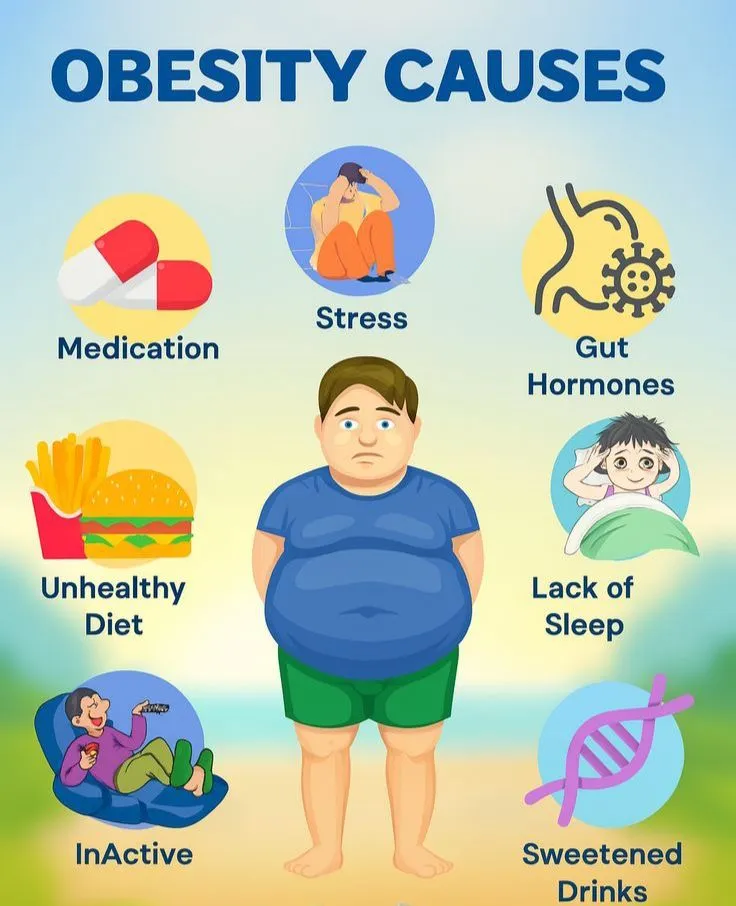
Hormonal Changes (Especially in Women)
- Women often notice more belly fat during certain life stages. After pregnancy, during perimenopause, or after menopause, shifting hormones make fat gather around the abdomen instead of hips and thighs. Thyroid problems and PCOS also play a role in stubborn belly weight.
Life Style & Stress Factor
- Daily stress triggers the release of cortisol, a hormone that tells the body to store fat in the belly area. Poor sleep, late nights, and irregular meal timings disturb the body’s natural balance. Smoking and excessive alcohol use add to the problem as well.
- These factors work together. One bad habit rarely causes belly fat alone — usually several combine over months or years.
Types of Belly Fat (Visceral vs Subcutaneous)
Visceral fat lies deeper. It surrounds your organs and you cannot pinch it. This type causes most health problems because it releases harmful substances directly into your bloodstream. Losing visceral fat brings quicker improvements in energy and lab reports.
Risks to Heart Health
Fat stored around your waist releases chemicals that inflame blood vessels. This makes arteries stiff and raises blood pressure. Over time, it increases the chance of heart disease and stroke. Many people discover this risk only after a routine check-up shows high cholesterol or irregular heartbeat.
Link with Diabetes & Other Diseases
Belly fat interferes with how your body uses insulin. As a result, blood sugar levels rise and the risk of type 2 diabetes grows. It also contributes to fatty liver disease, sleep apnea, and joint pain. The deeper the fat, the stronger these effects become.
Why Belly Fat is Harmful
Belly fat does more than affect your appearance. It quietly impacts your health in ways you may not notice at first.


Home Remedies for Constipation
Desi kitchens hold practical tools for belly fat. Ajwain (carom seeds) water stands out. Boil a teaspoon of ajwain in water, strain, and drink it warm on an empty stomach. It eases gas and supports smoother digestion, which reduces that puffed-up feeling.
Saunf (fennel seeds) tea soothes the gut. Chew a few seeds after meals or brew them into tea. Fennel helps reduce water retention and keeps digestion moving.
Haldi doodh (turmeric milk) before bed calms inflammation. Warm a glass of milk with a pinch of turmeric and a touch of black pepper. Turmeric’s curcumin may help the body manage fat storage over months when combined with lighter meals.
Many people pair these with simple walks after dinner. One man in Multan cut his evening chai and added jeera water instead. After six weeks, his clothes fit looser around the waist. Small swaps like this build real change without extreme effort.
Many people notice extra fat around the middle first. It shows up after busy days, family meals, or when stress piles on. Simple home remedies can give your body gentle support while you focus on daily habits.
Natural Drinks & Remedies
Start your morning with warm lemon water. Squeeze half a lemon into a glass of warm water and sip it slowly. The citric acid wakes up digestion and may help your body handle fats better over time. Drink it first thing, before breakfast, for a steady routine.
Try cumin water next. Boil a teaspoon of jeera (cumin seeds) in two cups of water for five minutes. Strain and sip it warm, twice a day. Cumin seeds can boost metabolism slightly and reduce bloating that makes your belly look bigger. Many families in South Asia keep this as a daily drink.
Ginger-lemon tea works well too. Grate fresh ginger, add lemon juice, and pour hot water over it. Let it steep for a few minutes. Ginger helps calm the stomach and may support fat breakdown when you drink it regularly. Add a pinch of turmeric for extra warmth and anti-inflammatory effects.
Herbs have played a role in traditional wellness for generations. They often target digestion and daily comfort rather than dramatic fat loss on their own.
Role of Herbal Remedies in Fat Loss
Herbs can support the body’s natural processes. Some improve how food moves through the gut. Others may gently influence metabolism when you eat balanced meals. Ginger, cinnamon, and fenugreek appear in many studies for modest effects on digestion and appetite control. Results stay small—usually under a couple of kilograms over months—and work best alongside food choices and movement.
No herb replaces a calorie deficit. Think of them as helpers that make healthy habits feel easier.
How Buraq Al Shifa May Support Digestion & Metabolism
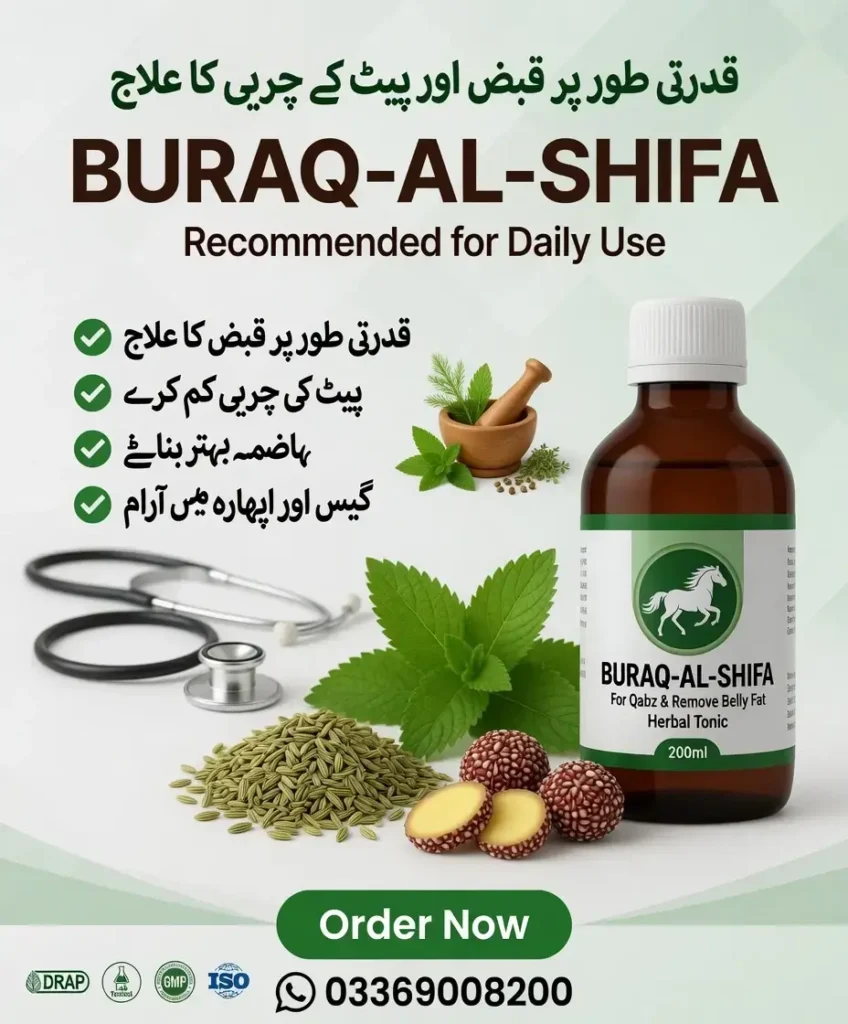
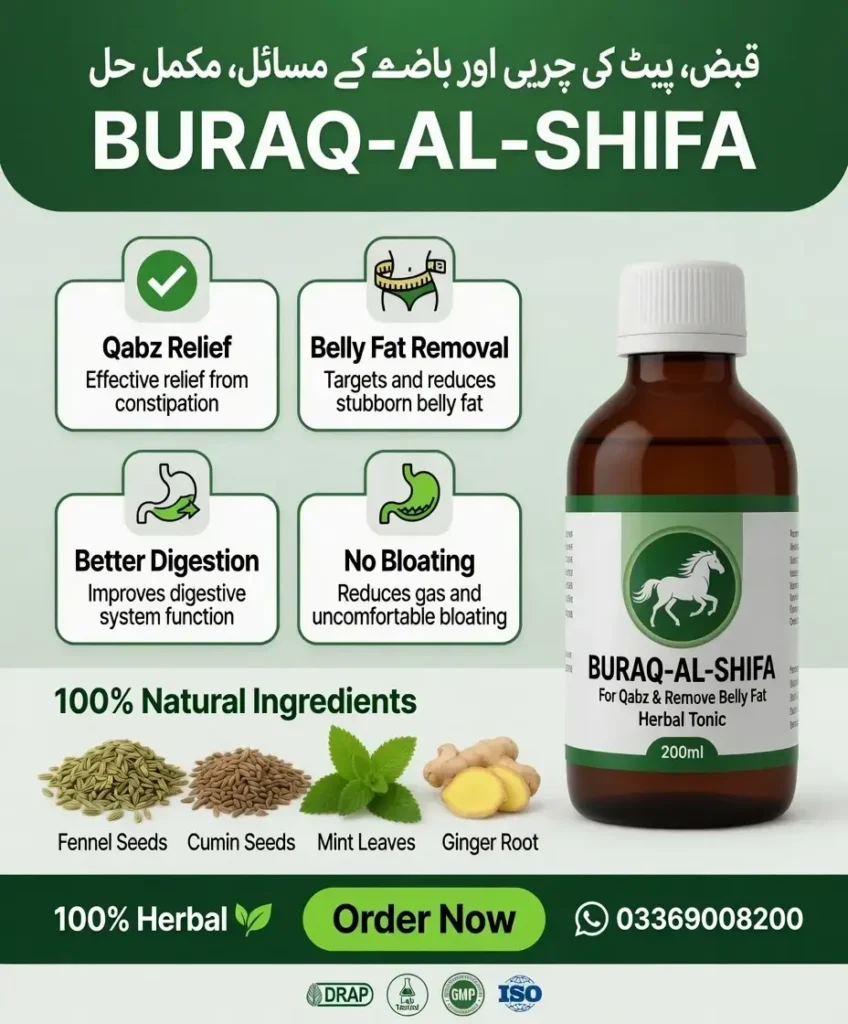
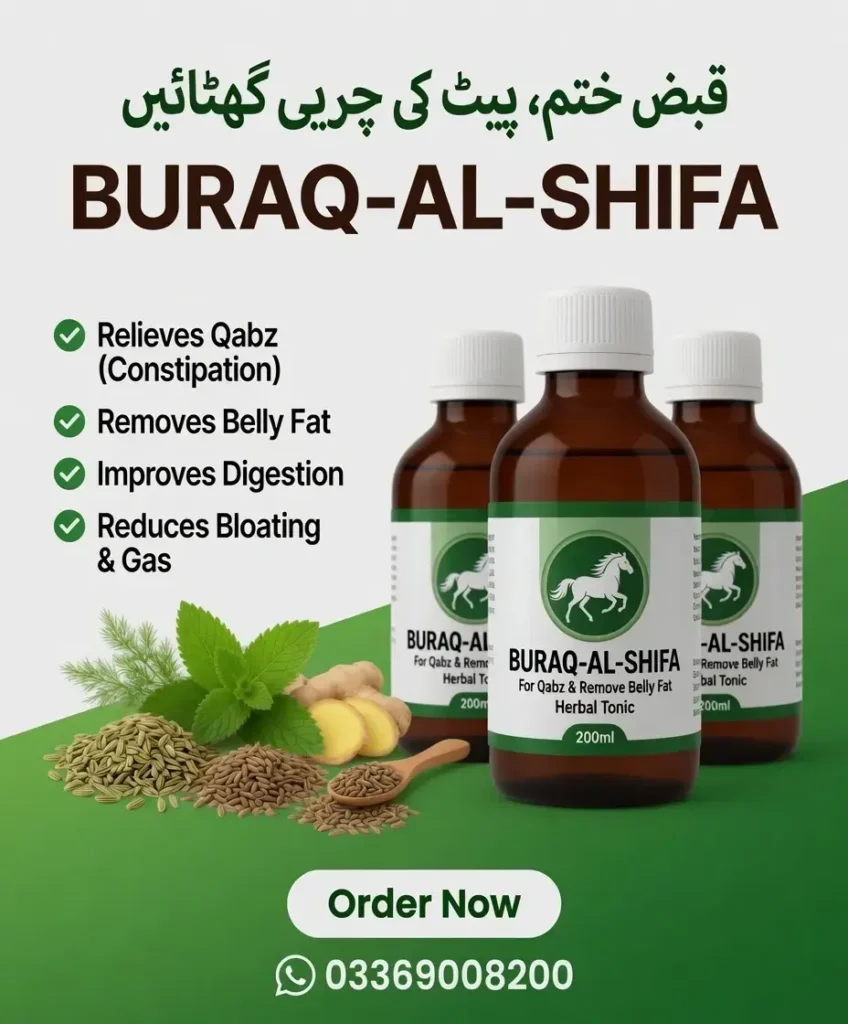
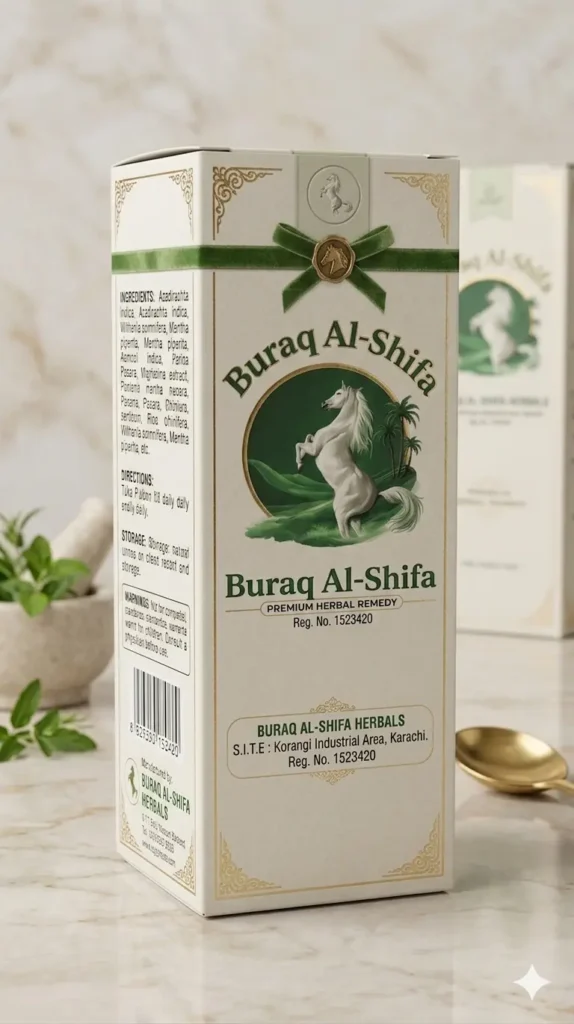
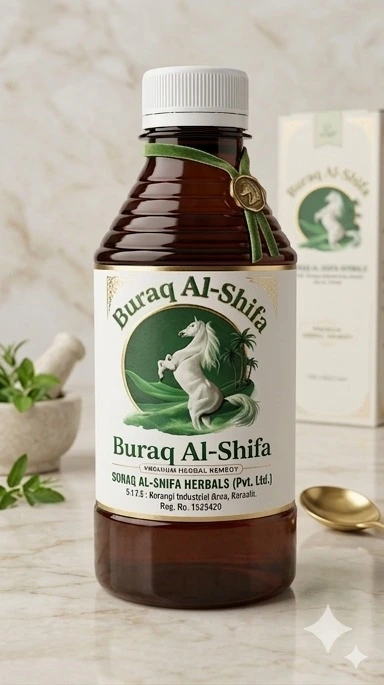
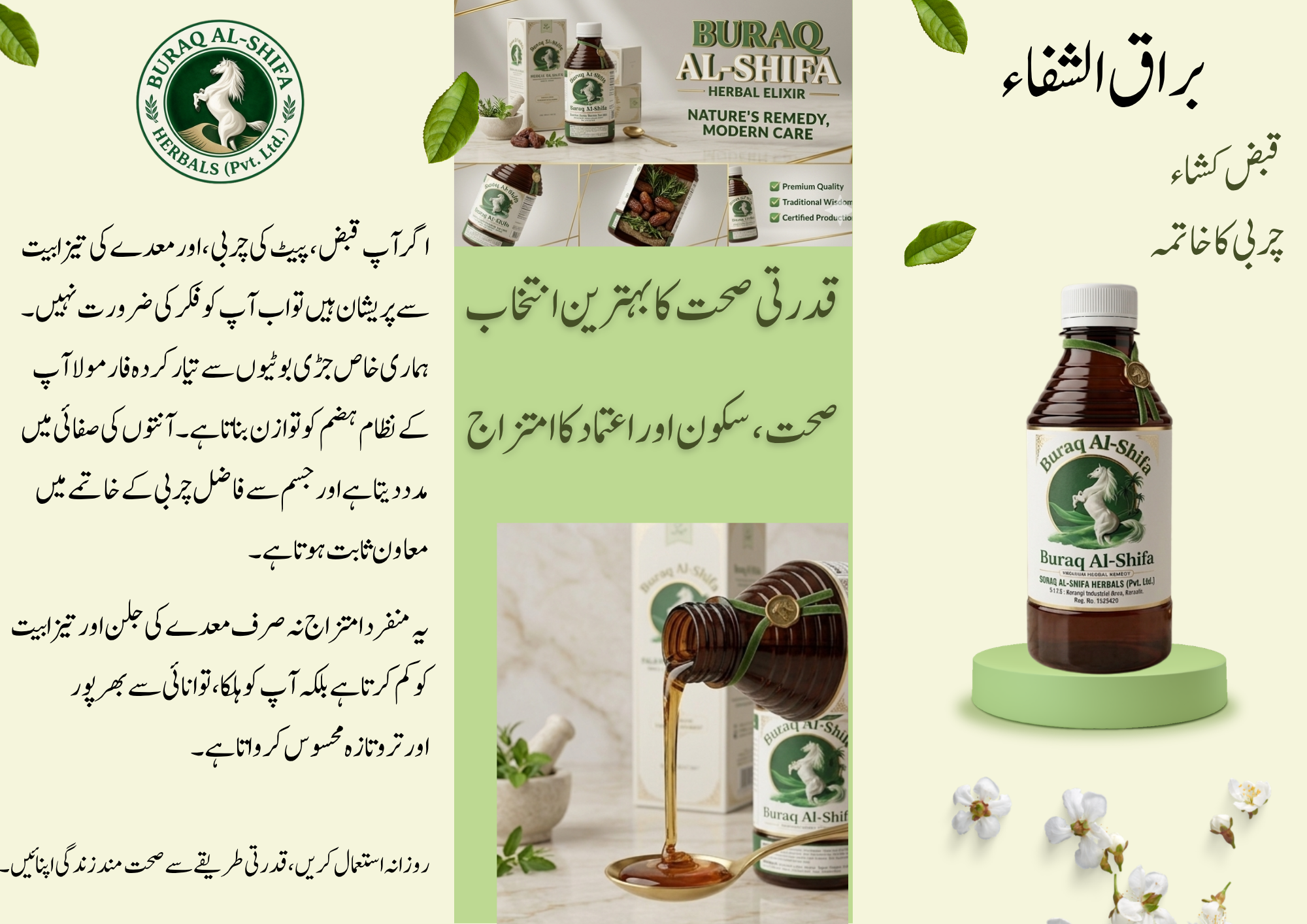
Buraq Al Shifa (sometimes linked to digestive churans or similar herbal blends in Pakistan) draws from traditional ingredients like fennel, celery seeds, and salts. These combinations often aim to reduce bloating, improve gut movement, and ease discomfort after heavy meals.
Better digestion means less trapped gas and water retention, so your midsection can look and feel flatter. Some users report steadier energy when bloating drops. Any metabolism support comes indirectly—when your gut works smoothly, your body handles food more efficiently. Real change shows after consistent use for several weeks, paired with lighter dinners and daily walks.
Safe Usage Tips
Start with small amounts as directed on the package. Take it after meals or at the suggested time to avoid stomach upset. Drink plenty of water throughout the day. Stop immediately if you notice heartburn, loose stools, or discomfort.
Herbal products vary in strength. Check ingredients for allergies. Pregnant women, people with medical conditions, or those on medicines should talk to a doctor first. Use herbs as support, not a solo fix. Track how you feel after two to four weeks and adjust based on your body’s response.
Medical Treatment & When to See a Doctor
Professional Weight Loss Options
- Doctors can guide structured plans. Options include prescription medicines that curb appetite or affect fat absorption, used under supervision. Bariatric procedures or endoscopic options exist for higher BMI cases with health risks. Nutritionists create meal plans tailored to your lifestyle, while trainers build safe exercise routines.
- Medical programs often combine these with behavior support. They track progress and adjust as needed. In Pakistan, consult a physician or endocrinologist if belly fat links to conditions like diabetes or high blood pressure.
Warning Signs You Should Not Ignore
- See a doctor if you lose weight without trying—more than 5% of your body weight in six months. Sudden fatigue, constant thirst, or shortness of breath with mild activity deserve attention. Severe joint pain, sleep issues tied to weight, or belly fat that grows quickly signal the need for checks.
- High waist measurements (over 35 inches for women, 40 for men) raise risks for heart issues and diabetes. If lifestyle changes stall for months despite honest effort, get blood work and guidance. Early help prevents bigger problems later.
Common Mistakes to Avoid
- Fad diets promise fast results but often cut too many calories or entire food groups. You drop weight quickly at first, mostly water and muscle. Then hunger returns, metabolism slows, and the pounds come back—sometimes more. Skip plans that ban carbs completely or demand only juices. Steady changes in portion sizes and whole foods last longer.
- Many expect to lose 10 pounds in a week. Healthy fat loss moves at 0.5 to 1 kg per week. Faster drops usually mean muscle loss or dehydration. Focus on how clothes fit and how you feel instead of the scale every day. Celebrate small wins like better energy or looser waistbands. Patience keeps you consistent for the long haul.
Long-Term Weight Management & Prevention
- Build meals around vegetables, lean proteins, whole grains, and healthy fats. Control portions by using smaller plates. Stay active most days—aim for 30 minutes of brisk walking plus some strength moves twice a week. Sleep seven to eight hours nightly; poor sleep increases belly fat storage. Manage stress with short breathing breaks or family time.
- Once you reach a comfortable size, shift focus to maintenance. Weigh yourself weekly or monthly to catch small gains early. Keep favorite healthy recipes handy. Stay connected to movement you like—cycling, gardening, or group walks. Review habits every few months and tweak as life changes.
Effective Ways to Reduce Belly Fat
You do not need strict crash diets to lose belly fat. Small, consistent changes in daily eating work much better and last longer.
Add more fiber-rich foods such as spinach, bhindi, carrots, apples, and guava. Fiber keeps you full longer and helps control hunger. Include good sources of protein like eggs, daal, chicken, fish, yogurt, and paneer. Protein supports muscle maintenance and boosts metabolism.
Drink 8 to 10 glasses of water daily. Proper hydration helps your body burn fat more efficiently and reduces false hunger signals. Start your day with two glasses of warm water. Keep a bottle nearby and sip regularly. Many people notice less bloating within the first week.
Cut down on sugary drinks, sweets, white bread, paratha, and packaged snacks. These foods spike blood sugar and encourage fat storage around the waist. Replace them with fresh fruits, homemade lassi without sugar, or green tea. Small swaps like this reduce belly fat without leaving you hungry.
Focus on eating proper meals at regular times. Include a mix of vegetables, lean protein, whole grains, and healthy fats in every plate. Eat until you feel satisfied, not stuffed. Many people see steady progress when they follow this approach for 4 to 6 weeks instead of starving themselves.
FAQs About Belly Fat & Weight Loss
Conclusion
Summary of Key Points
- Belly fat responds best to steady, everyday choices rather than extreme measures. Warm lemon water, cumin tea, ajwain water, and other desi remedies can support digestion and reduce bloating when used consistently. Pair them with balanced meals, daily movement, and good sleep for noticeable changes around the waist.
- Herbal options like Buraq Al Shifa may ease gut comfort and indirectly help metabolism, but they work as supporters—not magic solutions. Avoid common pitfalls such as fad diets, skipping exercise, or expecting overnight results. If warning signs appear or progress stalls despite honest effort, seek professional medical advice early.
Safe & Sustainable Weight Loss Advice
- Focus on habits you can maintain for years, not weeks. Eat more vegetables and lean proteins while controlling portions. Stay active with walks, light strength work, or activities you enjoy. Use traditional drinks as gentle daily aids instead of relying on them alone.
- Aim for gradual progress—0.5 to 1 kg per week feels sustainable and protects muscle. Celebrate how your clothes fit and how your energy improves. Track small wins to stay motivated.